Fun Facts Italy
1. ☕ No Cappuccino After 11 AM
In Italy, cappuccino is considered a breakfast drink and is rarely consumed after 11 AM. Locals believe milk-heavy coffee can disrupt digestion after a meal. Ordering one in the afternoon might earn you a puzzled look from the barista. If you want to blend in, opt for a simple espresso after lunch or dinner.

2. 🍷 Italy Has a Wine Fountain That’s Free
In the Abruzzo region of Italy, visitors along the Cammino di San Tommaso will find a remarkable wine fountain offering free local red wine. Created as a symbol of hospitality, the fountain is available to pilgrims and tourists alike. It reflects a longstanding cultural value of generosity and community. This unique feature has become a popular and memorable stop for those exploring central Italy.

3. 🏛️ Rome Has a Country Inside It
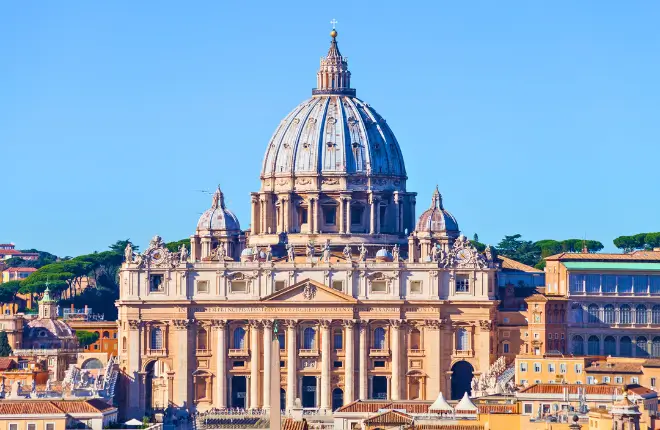
The world’s smallest country, Vatican City, is located entirely within the city of Rome. It’s home to the Pope, the Sistine Chapel, and the Vatican Museums. Despite its size, it issues passports, mints currency, and has its own post office. Yes, you can technically visit two countries in one day.
4. 🎬 The Godfather Was Filmed in a Real Sicilian Village
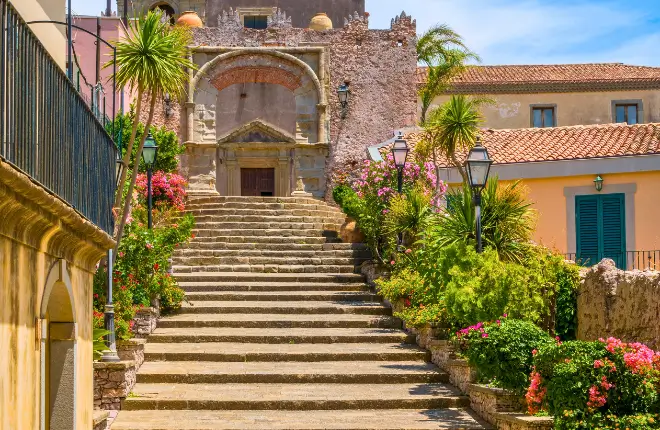
Parts of The Godfather were shot in Savoca and Forza d’Agrò, small hilltop towns in Sicily standing in for Corleone. You can visit Bar Vitelli, where Michael asks for Apollonia’s hand in marriage. These towns still retain the quiet, old-world charm shown in the film. Sicily’s dramatic coastline and historic towns also featured in The White Lotus Season 2, with scenes filmed in Noto, Cefalù, and along the Ionian Sea—showcasing the region’s timeless elegance and stunning landscapes.
5. 🎨 Florence Has More Art Than Some Countries
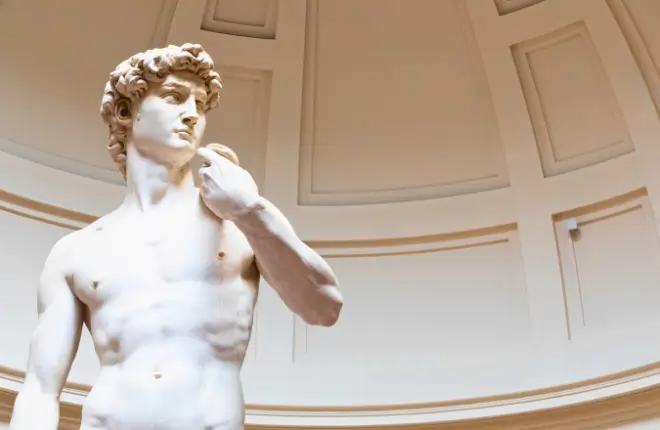
Florence is considered the birthplace of the Renaissance and is home to over a third of the world’s most important artworks. You’ll find masterpieces by Michelangelo, Botticelli, and da Vinci within walking distance. Even small churches hold museum-quality art—it's like stepping into a living museum.
6. 🕰️ Italians Created the First Modern Bank
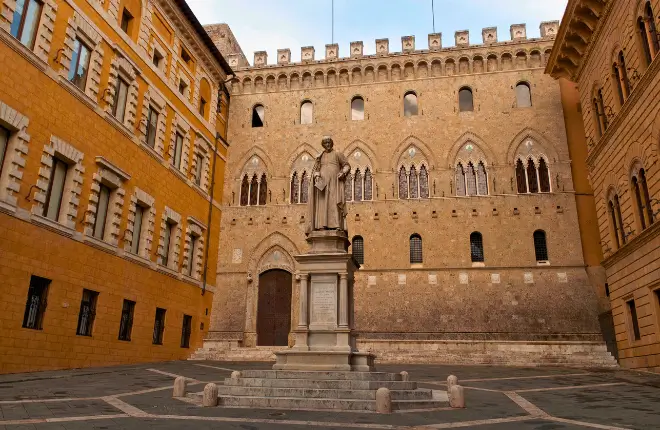
Italy is home to the world’s oldest active bank, Banca Monte dei Paschi di Siena, founded in 1472. Located in the city of Siena, it was established to provide financial stability and support local agriculture. This institution laid the foundation for many principles of modern banking and highlights Italy’s historic influence on global finance and commerce.
7. 🏖️ You Can Swim in Color-Changing Waters in Sardinia
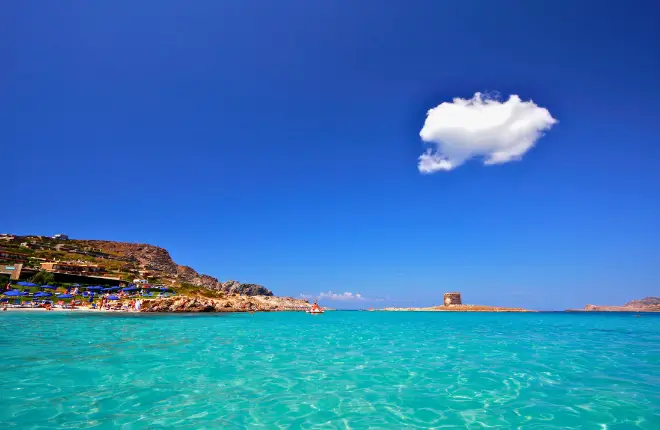
Sardinia is known for its crystal-clear beaches, where the water shifts between shades of turquoise, emerald, and deep blue. Beaches like La Pelosa and Cala Goloritzé are celebrated for their vivid, changing colors caused by sunlight, white sand, and limestone cliffs. The island’s coastal waters are among the cleanest in Europe—ideal for swimming, snorkeling, and scenic relaxation.
8. 🌋 You Can Hike an Active Volcano in Sicily
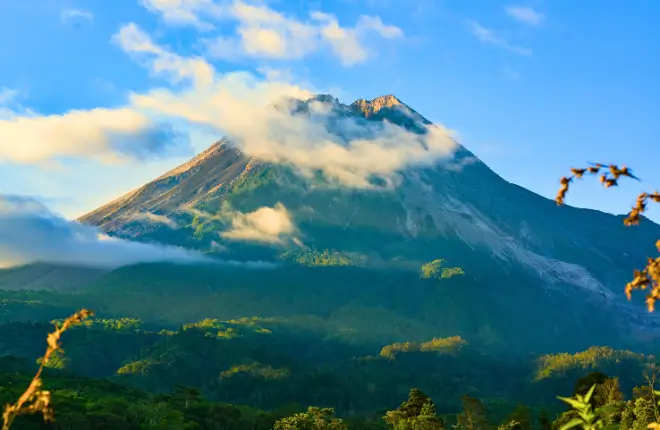
Mount Etna, located on the eastern coast of Sicily, is Europe’s most active volcano and a UNESCO World Heritage Site. Visitors can take guided hikes across lava fields, craters, and ancient trails with views stretching to the sea. Depending on volcanic activity, it’s possible to witness light smoke or glowing lava from a safe distance. The experience combines natural power with breathtaking scenery.
9. 🧀 Italy Has Over 400 Types of Cheese
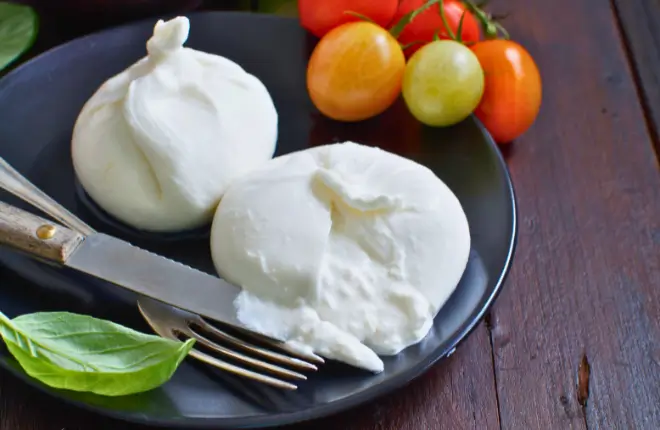
Italy is a cheese lover’s paradise, with over 400 officially recognized varieties across its regions. From Parmigiano-Reggiano in Emilia-Romagna to Gorgonzola in Lombardy and Burrata in Puglia, each cheese reflects local tradition and terroir. Many are protected by EU law and can only be produced in specific areas. Exploring Italy often means tasting its regional cheeses—one slice at a time.
10. 🏝️ Italy Has a Sunken City Beneath the Sea
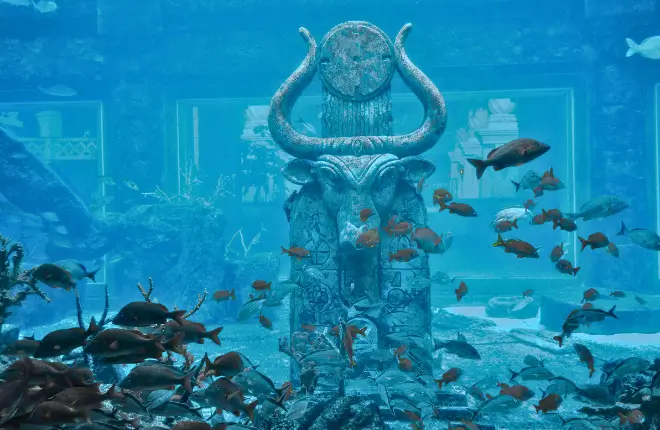
Just off the coast of Naples lies Baia, an ancient Roman city now submerged underwater due to volcanic activity. Often called the “Atlantis of Italy,” Baia features preserved mosaics, statues, and villa ruins that can be explored by diving or glass-bottom boat. Once a luxurious escape for Roman emperors, today it offers one of the most surreal archaeological experiences in Europe.